Trail cameras generally cost between $50 and $500, depending on features like image resolution, trigger speed, and detection range.
Budget options offer basic capabilities and slower triggers, making them suitable for casual use.
Mid-range models ($150-$250) balance quality and price with better sensors and faster response.
High-end cameras include advanced infrared flashes, extended battery life, and wireless connectivity, raising costs further.
Choosing the right camera means weighing these specs against your needs and budget, with more detailed considerations to explore ahead.
Key Takeaways
- Trail camera prices range from $50 for basic models to over $500 for premium versions with advanced features.
- Mid-range trail cameras from popular brands typically cost between $150 and $250.
- Higher image resolution, faster trigger speeds, and no-glow infrared flash increase the camera’s price.
- Wireless trail cameras usually cost more than wired ones due to advanced transmission technology.
- Seasonal sales, online coupons, and retailer price matching can help buyers find better trail camera deals.
How Much Do Trail Cameras Typically Cost?
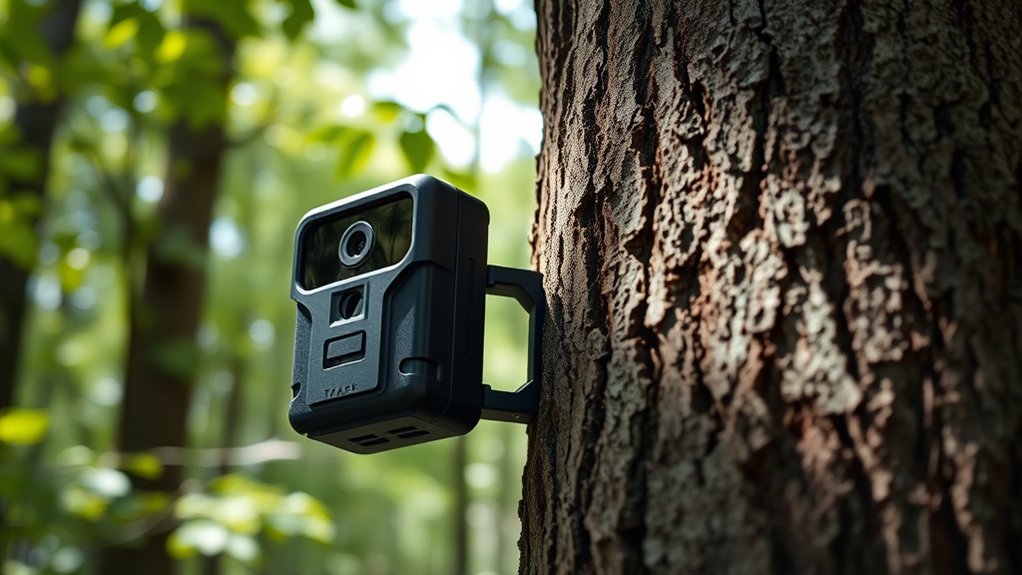
How much do trail cameras typically cost? You’ll find prices vary widely, often ranging from $50 for budget options to over $500 for premium models. When comparing brands, it’s clear that well-known manufacturers like Bushnell and Moultrie offer mid-range cameras around $150 to $250, balancing affordability with reliable features.
Budget options generally provide basic image resolution and slower trigger speeds, suitable for casual users. In contrast, higher-priced brands incorporate advanced sensors and durable designs. You should evaluate brand comparisons carefully, focusing on sensor quality and user reviews to determine if a low-cost model meets your needs.
What Key Features Affect Trail Camera Prices?
Although price tags vary widely, several key features directly influence what you’ll pay for a trail camera. One major factor is image resolution; higher megapixels allow for more detailed photos, which generally push prices up. Trigger speed also plays a critical role — cameras with faster trigger times capture wildlife instantly, reducing missed shots but often costing more.
Other features affecting price include detection range, flash type, battery life, and storage capacity. For example, no-glow infrared flashes are pricier but less likely to spook animals. Additionally, advanced connectivity options like cellular or Wi-Fi enable remote monitoring but come at a premium.
When selecting a camera, weigh these technical specifications against your budget and intended use to guarantee you invest in the right balance of performance and cost.
How Does Image Quality Impact Trail Camera Cost?
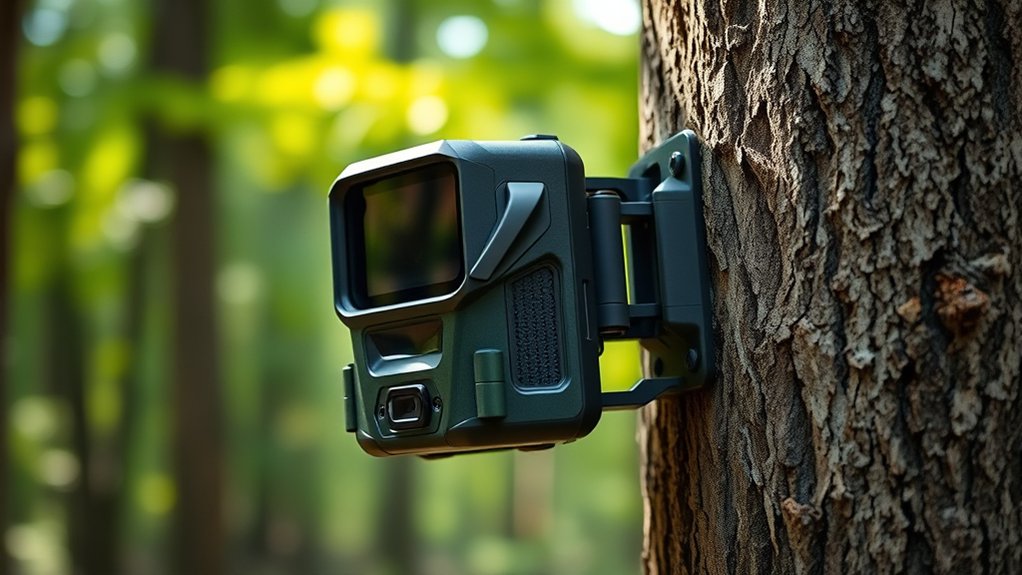
When you prioritize higher image quality in a trail camera, you’re directly influencing its cost due to the advanced sensor technology and enhanced processing power required. The image resolution and sensor quality are essential here, as they determine the clarity and detail of your photos and videos. Higher resolution sensors capture more pixels, resulting in sharper images but require more sophisticated electronics and memory capacity.
Prioritizing higher image quality in trail cameras increases cost due to advanced sensors and processing power needed.
Top-tier sensor quality improves light sensitivity and color accuracy, especially in low-light conditions, which also adds to the expense. Consider these factors:
- Sensor resolution (megapixels) directly affects image sharpness and file size.
- Sensor quality influences noise reduction and dynamic range performance.
- Advanced image processing chips enhance real-time image optimization and storage efficiency.
Each increment in these areas raises the overall trail camera price.
Why Battery Life Matters for Trail Camera Prices
Since trail cameras often operate in remote locations for extended periods, their battery life critically influences both performance and cost. When you choose a camera with superior energy efficiency, it demands less frequent battery replacements or recharges, reducing your maintenance efforts and overall expenses. High-end models integrate advanced power management systems that optimize energy use, extending operational time without sacrificing functionality.
Conversely, cameras with shorter battery life may require frequent battery maintenance, which can be inconvenient and add to long-term costs. This technical trade-off means you’ll often pay more upfront for enhanced battery performance, but you save time and money in the field. Understanding how battery life impacts pricing helps you select a trail camera that balances energy efficiency with your monitoring needs.
Wired vs. Wireless Trail Cameras: Price Differences
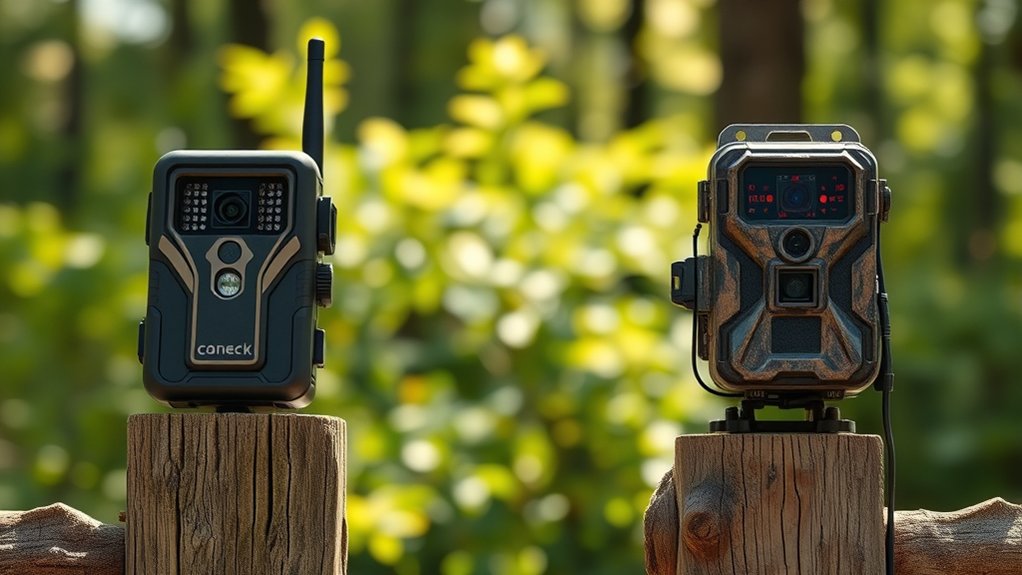
When choosing between wired and wireless trail cameras, consider the installation costs and how signal range affects performance. Wired setups often require more labor and materials, increasing upfront expenses, while wireless models typically cost more for advanced transmission technology.
You’ll also notice that wireless cameras offer greater flexibility in placement but can experience signal drop-offs depending on distance and obstacles.
Installation Cost Variations
Although both wired and wireless trail cameras serve the same purpose, their installation costs vary considerably due to differences in complexity and required materials. When considering installation techniques, wired cameras demand more labor-intensive setup, requiring trenching or cable management to guarantee reliable power and data transmission. Wireless cameras simplify this but introduce unique installation challenges such as securing stable battery power and positioning for ideal signal strength.
Here’s what impacts your cost:
- Wired systems need professional-grade cabling and connectors, increasing material expenses.
- Wireless setups require high-capacity batteries or solar panels, adding to initial costs.
- Labor time for wired installations is longer, raising overall fees compared to quicker wireless setups.
Understanding these factors helps you choose the system matching your budget and technical comfort.
Signal Range Impact
Beyond installation complexities, signal range plays a significant role in determining the cost differences between wired and wireless trail cameras. When you choose a wired camera, you rely on physical cables, which offer consistent signal types with minimal interference but are limited by cable length and terrain.
Wireless cameras, on the other hand, use radio frequency or cellular signals, which provide greater flexibility and extended placement options. However, these signal types come with range limitations influenced by obstacles, weather, and battery life.
Because wireless models require advanced transmitters and receivers to maintain strong connections over longer distances, they typically cost more. Understanding these technical distinctions helps you weigh whether the extended range and convenience of wireless justify the higher price compared to the dependable but constrained wired alternatives.
Affordable Trail Cameras for Casual Wildlife Watching
If you’re new to wildlife observation or just want to capture occasional glimpses without breaking the bank, affordable trail cameras offer a practical solution. These budget friendly options prioritize essential features tailored for casual user considerations. When choosing one, focus on:
- Detection range – A moderate sensor range (15-20 feet) typically suffices for casual use.
- Image resolution – Cameras offering 5-8 megapixels balance clarity and file size without excess cost.
- Battery life – Efficient power consumption guarantees longer deployment without frequent changes.
Affordable models often use passive infrared sensors with decent trigger speeds to catch fleeting wildlife movements. While lacking advanced connectivity or ultra-high resolution, these cameras provide reliable, straightforward operation ideal for beginners or hobbyists who want decent performance without complex setups or hefty investments.
Mid-Range Trail Cameras for Serious Outdoor Use
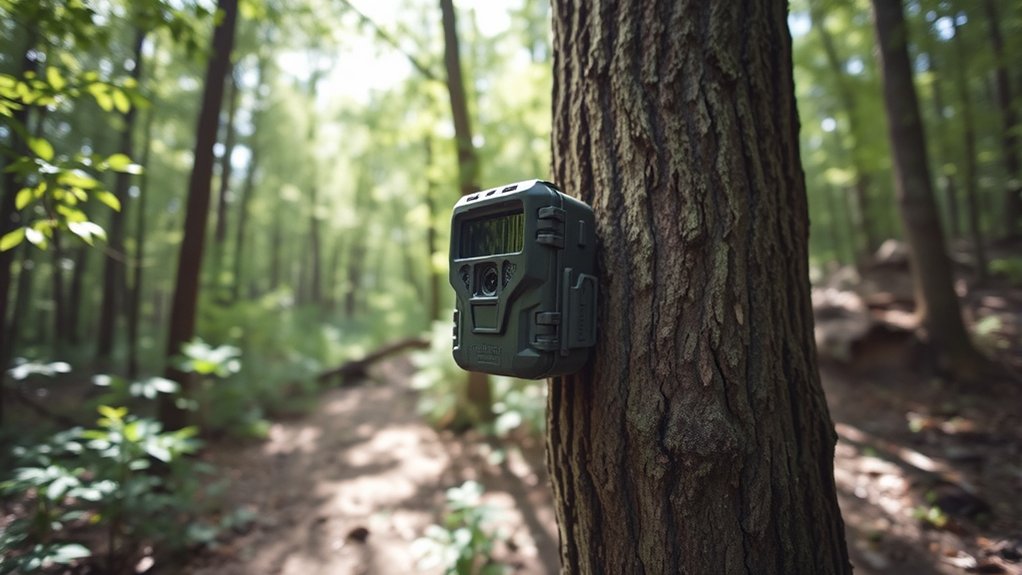
When you’re ready to step up from basic models, mid-range trail cameras deliver enhanced performance tailored for serious outdoor use. These mid range options offer improved sensor sensitivity, faster trigger speeds, and superior outdoor durability, making them ideal for extended wildlife monitoring. You’ll appreciate features like higher resolution images and better battery life, which optimize your data collection in challenging environments.
| Feature | Mid-Range Average | Benefit |
|---|---|---|
| Image Resolution | 12-16 MP | Clear, detailed photos |
| Trigger Speed | 0.3-0.5 seconds | Captures fast-moving animals |
| Battery Life | 6-12 months | Longer deployment without change |
| Weatherproofing | IP66 or higher | Resists rain, dust, temperature |
| Memory Capacity | 32-64 GB SD cards | Stores large photo/video sets |
These specs make mid-range trail cameras reliable tools for serious outdoor enthusiasts.
High-End Trail Cameras: Are They Worth the Price?
How do high-end trail cameras justify their steep price tags? You get premium features that notably enhance monitoring capabilities and user experiences. Consider these three technical advantages:
- Advanced Sensor Technology: These cameras use ultra-sensitive PIR sensors that minimize false triggers and capture clearer images in low light.
- Faster Trigger Speeds and Recovery Times: You won’t miss essential moments as the camera quickly resets between shots, vital for fast-moving wildlife.
- Enhanced Connectivity Options: Many models offer cellular or Wi-Fi connectivity, allowing real-time image transfers and remote configuration.
These capabilities translate into more reliable data collection and reduced manual intervention. For professionals and avid enthusiasts, the investment often pays off through improved accuracy and convenience, making high-end trail cameras a valuable tool despite their cost.
Where to Find the Best Deals on Trail Cameras
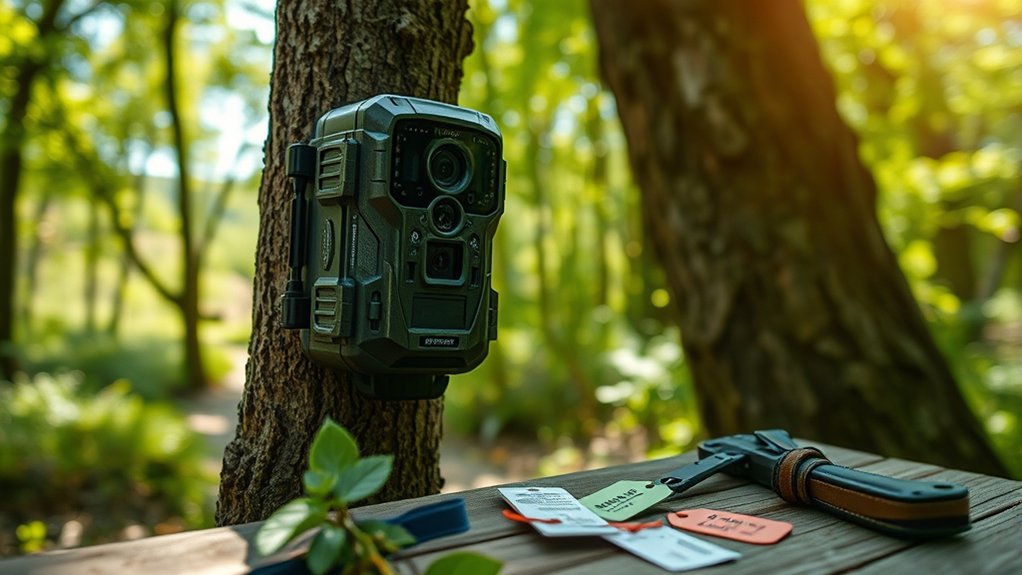
You can score significant savings on trail cameras by monitoring online retailer discounts, which often feature dynamic pricing algorithms adjusting to demand and inventory. Timing your purchase around seasonal sales events like Black Friday or end-of-season clearances can also yield lower prices on high-spec models.
Additionally, visiting outdoor specialty stores gives you a chance to inspect units firsthand and sometimes negotiate bundle deals that aren’t available online.
Online Retailer Discounts
Where can you find the most competitive prices on trail cameras? Online retailers often lead the pack by leveraging digital tools and pricing strategies.
To maximize your savings, focus on these three approaches:
- Use online coupon codes: Many sites provide exclusive discount codes that can reduce the price considerably. Always search for current codes before checkout.
- Engage retailer price matching: Some retailers will match a competitor’s lower price, ensuring you pay the least available without jumping between stores.
- Subscribe to newsletters or alerts: Retailers often send time-sensitive deals or flash sales to subscribers, giving you early access to discounts.
Seasonal Sales Events
Online retailers offer valuable discounts on trail cameras, but even better prices often emerge during specific seasonal sales events. You’ll find that holiday discounts, especially around Black Friday, Cyber Monday, and Christmas, greatly reduce costs on high-end models featuring advanced motion sensors and infrared technology.
Seasonal promotions in spring and fall also target outdoor enthusiasts preparing for hunting or wildlife monitoring seasons, presenting opportunities to snag mid-range cameras with improved battery life and enhanced image resolution at lower prices. Tracking these sales cycles helps you time your purchase effectively, ensuring you get the best tech specs for your budget.
Keep an eye on retailer newsletters and deal aggregators to catch alerts on these limited-time offers, maximizing your savings without sacrificing quality.
Outdoor Specialty Stores
Specialty outdoor stores often carry a curated selection of trail cameras designed to meet the specific needs of hunters, wildlife researchers, and nature enthusiasts. When you shop at these stores, you gain access to expert advice and hands-on evaluations of top trail camera brands integrated with other essential outdoor gear.
Here’s why specialty stores stand out:
- Expert staff who understand technical specifications, helping you match camera features like trigger speed and resolution to your specific use case.
- Opportunities to test camera models in-store or through demos, ensuring you find the ideal balance between battery life and image quality.
- Access to exclusive deals or bundles combining trail cameras with complementary outdoor gear, maximizing value without compromising performance.
How to Choose the Right Trail Camera for Your Budget
Although trail cameras come in a wide range of prices and features, selecting the right one for your budget requires understanding your specific monitoring needs, desired image quality, and battery life expectations. Start by evaluating budget considerations—determine how much you’re willing to invest without compromising essential functions.
Next, research camera brands known for reliability and performance, as brand reputation often correlates with product durability and image clarity. Focus on features like trigger speed, resolution, and detection range, ensuring they align with your monitoring goals.
Don’t overlook battery efficiency, especially if frequent maintenance is inconvenient. Balancing these technical aspects within your budget helps you choose a trail camera that delivers peak performance without overspending, making your investment both practical and effective.
Frequently Asked Questions
How Do Trail Cameras Handle Extreme Weather Conditions?
Trail cameras use weatherproof materials and advanced temperature resistance to operate reliably in extreme conditions. You’ll find sealed housings and insulated components protecting sensors and batteries from moisture, heat, cold, and frost, ensuring consistent performance outdoors.
These features help the cameras withstand rain, snow, and freezing temperatures without malfunctioning. Additionally, many models include built-in heaters or thermal regulation to maintain optimal operating conditions. This allows for reliable monitoring regardless of weather challenges.
Can Trail Cameras Be Used for Home Security?
Of course, you can turn a trail camera into your home’s overzealous watchdog. With motion sensors and infrared night vision, these home monitoring tools boast security features that catch every suspicious squirrel—or burglar—in crystal-clear detail.
What Is the Typical Warranty Period for Trail Cameras?
You’ll typically find warranty coverage for trail cameras ranges from one to two years, depending on manufacturer differences. Some brands offer extended warranties, so always check their specific terms to guarantee your device is well protected.
How Do I Maintain and Clean a Trail Camera?
You’ll want to pamper your trail camera with regular maintenance—wipe lenses gently with microfiber cloths, clear debris, and check seals for moisture.
Employ precise cleaning techniques to guarantee peak performance and longevity in all conditions.
Are There Legal Restrictions on Using Trail Cameras?
Yes, you must follow legal regulations and respect privacy concerns when using trail cameras. Always check local laws about placement, especially on private property, and avoid capturing images where people expect privacy to prevent legal issues.
Failure to comply with these rules can result in fines or other legal consequences. It’s important to be aware of any restrictions related to audio recording as well. When in doubt, consult local authorities or legal experts before setting up your trail camera.
Conclusion
You might think the priciest trail cameras always deliver the best results, but that’s not necessarily true. Image quality, battery life, and wireless capabilities often make a bigger difference than just price tags.
By carefully weighing these technical features against your specific needs, you can find a reliable camera that fits your budget without overspending.
Remember, understanding what really impacts performance helps you make smarter, more cost-effective choices in trail camera hunting. When considering how much are trail cameras, focus on features that truly matter to get the best value for your money.